

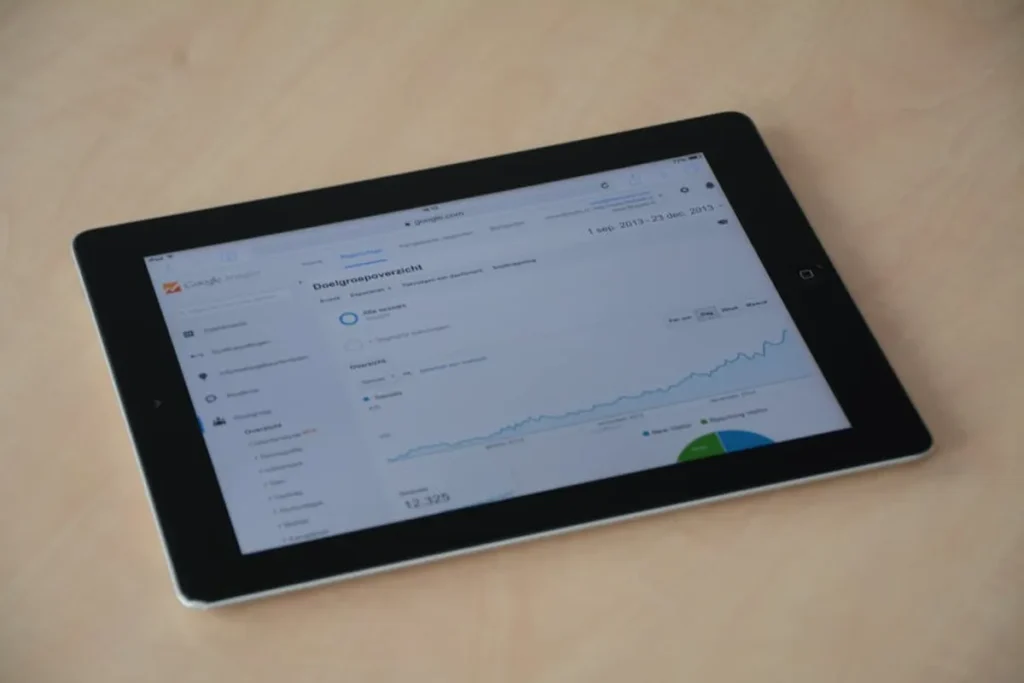
Understanding your position in search engine results pages (SERPs) is fundamental to any effective SEO strategy. Without precise data on where your content ranks for target keywords, efforts to optimize, create, or promote are largely speculative. A keyword position tracker provides this essential visibility, converting abstract SEO goals into measurable, actionable metrics. This guide outlines the core functions, strategic applications, and practical considerations for leveraging a keyword position tracker to enhance your digital presence and drive organic growth. This guide outlines the core functions, strategic applications, and practical considerations for leveraging a keyword position tracker to enhance your digital presence and drive organic growth, including how to perform daily SERP position tracking.
Understanding Keyword Position Tracking
Keyword position tracking involves systematically monitoring the organic search ranking of specific keywords for your website across various search engines and geographical locations. This process moves beyond anecdotal observations to provide concrete data, illustrating how your content performs against competitors and algorithm changes.
At its core, a keyword position tracker serves as a digital compass for your SEO strategy. It reveals which keywords are driving visibility, where performance is declining, and where new opportunities exist. This data is critical for:
- Performance Measurement: Quantifying the direct impact of SEO campaigns and content updates.
- Competitive Intelligence: Understanding competitor visibility and identifying their keyword strengths and weaknesses.
- Opportunity Identification: Spotting keywords where you're close to page one, or where competitors are weak.
- Problem Detection: Quickly identifying significant drops in ranking that may indicate technical issues, content decay, or algorithm shifts.
Core Features of a Keyword Position Tracker
Granular Rank Monitoring
Effective trackers offer more than just a single position number. They provide detailed insights, often including:
- Daily Updates: Frequent data refreshes are crucial for monitoring volatile SERPs and reacting quickly to changes.
- SERP Feature Tracking: Beyond standard organic listings, many trackers identify positions within featured snippets, local packs, image carousels, and other rich results.
- Geographic and Language Targeting: The ability to track rankings from specific countries, regions, cities, or in different languages, reflecting diverse user bases.
- Mobile vs. Desktop Performance: Differentiating between ranking positions on mobile and desktop devices, which can vary significantly due to distinct algorithms and user experiences.
Competitor Analysis
A robust keyword position tracker enables direct comparison with chosen competitors. This feature typically allows you to:
- Monitor competitor rankings for your target keywords.
- Identify keywords where competitors are outperforming you.
- Uncover new keywords that competitors rank for, but you don't.
- Track competitor visibility trends over time, providing context for your own performance.
Historical Data & Trend Analysis
Access to historical ranking data is indispensable for long-term strategic planning. This includes:
- Visualizing ranking fluctuations over weeks, months, or years.
- Identifying seasonal trends for specific keywords.
- Correlating ranking changes with website updates, content launches, or major algorithm shifts.
- Forecasting future performance based on past patterns.
Reporting & Alerts
The utility of tracking data is amplified by clear, customizable reporting and timely notifications. Key aspects include:
- Customizable Reports: Generating reports tailored to specific stakeholders, focusing on key performance indicators (KPIs) relevant to their roles.
- Automated Alerts: Receiving immediate notifications for significant rank drops or gains, new featured snippet acquisitions, or competitor movements.
- Export Options: Facilitating data export in various formats (CSV, Excel, PDF) for further analysis or integration into other platforms.
Implementing Keyword Tracking for SEO Success
Initial Setup and Keyword Selection
The effectiveness of your tracker begins with thoughtful setup. Start by:
- Defining Your Core Keyword Set: Include keywords directly related to your products/services, brand terms, and long-tail variants.
- Grouping Keywords: Organize keywords by topic, intent (informational, commercial, navigational), or product category for more focused analysis.
- Selecting Competitors: Identify 3-5 direct competitors whose search performance you wish to benchmark against.
Interpreting Rank Data
Raw rank numbers are just the starting point. Interpret data by:
- Contextualizing Changes: A drop from position 1 to 3 is different from a drop from 10 to 20. Understand the implications of each.
- Analyzing SERP Features: A rank of 5 with a featured snippet can be more valuable than a rank of 1 without one.
- Identifying Trends: Look for sustained upward or downward movements rather than daily fluctuations.
- Segmenting Performance: Compare performance across different keyword groups, geographic targets, and devices.
Actionable Insights from Rank Changes
Rank data should inform action. For instance:
- Content Optimization: If a key page drops in rank, review its content for freshness, comprehensiveness, and user experience.
- New Content Creation: If you're ranking on page two for a high-value keyword, consider creating more targeted content or improving existing content to push for page one.
- Technical SEO Audits: Sudden, widespread ranking drops might signal a technical issue (e.g., crawlability problems, indexation errors).
- Responding to Competitors: If a competitor gains significantly, analyze their content and backlink profile to understand their strategy.
Pro Tip: Segment your keywords not just by topic, but also by search intent. Tracking commercial intent keywords separately from informational ones allows for more precise measurement of sales-driving performance versus brand awareness efforts, guiding your resource allocation effectively.
Choosing the Right Keyword Position Tracker
When evaluating options, consider several factors to align the tool with your specific needs:
- Keyword Capacity: Ensure the tool can track the volume of keywords necessary for your current and future strategies.
- Update Frequency: Daily updates are generally preferred for dynamic markets, but weekly might suffice for smaller, less competitive niches.
- Geographic Targeting Options: Verify it supports the specific countries, regions, or cities relevant to your audience.
- Reporting and Alert Customization: Assess the flexibility of report generation and the granularity of alert settings.
- User Interface and Usability: A clear, intuitive interface streamlines analysis and adoption by your team.
- Integration Capabilities: Consider if the tracker integrates with other SEO or analytics platforms you use for a holistic view.
Maximizing Your Tracking Investment
A keyword position tracker is not a set-it-and-forget-it tool. To extract maximum value, integrate it deeply into your ongoing SEO operations. Regularly review your keyword performance, not in isolation, but in conjunction with traffic analytics, conversion data, and content updates. Use the insights to refine your content strategy, identify technical SEO priorities, and stay ahead of competitive shifts. Consistent engagement with your tracking data ensures your SEO efforts remain agile, data-driven, and aligned with your business objectives.
Frequently Asked Questions About Keyword Position Trackers
How often should I check my keyword rankings?
For most businesses, checking rankings daily or weekly provides sufficient granularity to identify trends and react to significant changes. For highly competitive or volatile industries, daily checks are often preferred, while smaller sites might manage with weekly reviews.
Can a keyword position tracker help with local SEO?
Yes, many advanced keyword position trackers offer specific local tracking capabilities, allowing you to monitor rankings for keywords in particular cities, neighborhoods, or postal codes. This is crucial for businesses targeting a local customer base.
What is the difference between organic and paid keyword tracking?
Keyword position trackers primarily focus on organic search rankings, which are achieved through SEO efforts. Paid keyword tracking, often done through advertising platforms, monitors the performance of keywords in paid search campaigns (e.g., Google Ads).
Is it possible to track competitor rankings using these tools?
Absolutely. A key feature of most keyword position trackers is the ability to add and monitor competitor websites alongside your own, providing direct comparisons of keyword performance and market share.


