

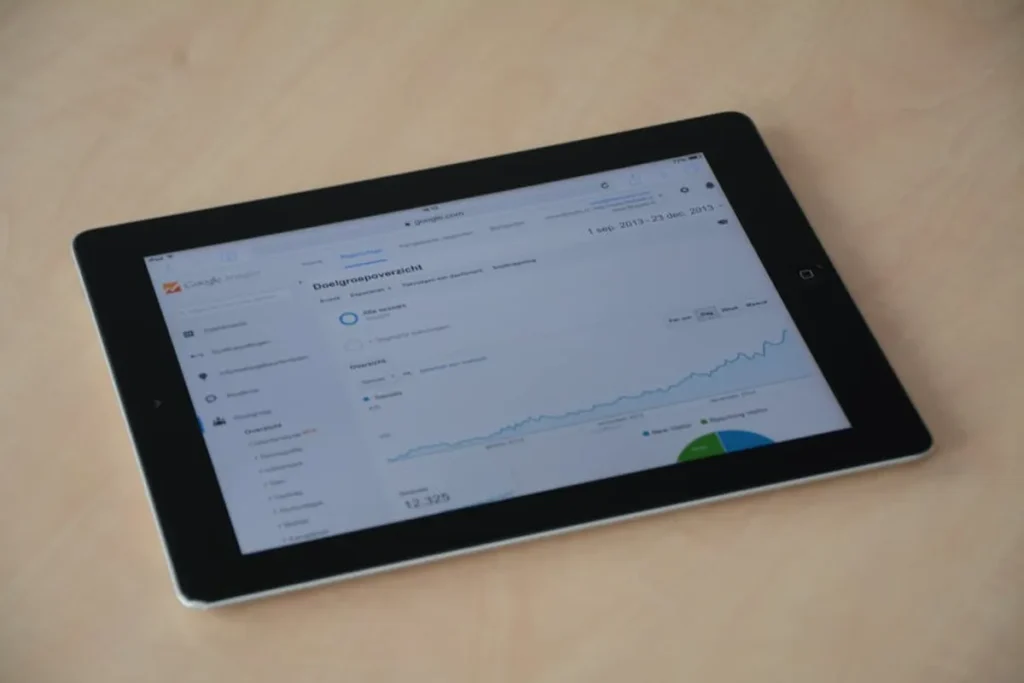
SERP position tracking quantifies a website's visibility in search engine results for specific keywords. For SEO professionals, marketers, and site owners, this isn't merely a vanity metric; it's a foundational data point for measuring organic performance, identifying competitive threats, and validating strategic SEO investments. Understanding how a website ranks for its target keywords across various search engines, devices, and geographic locations provides the granular insight necessary to make informed decisions about content, technical optimizations, and overall digital strategy. This granular data allows for effective SERP position tracking, helping you understand the impact of your SEO efforts over time by tracking daily rank changes.
What is SERP Position Tracking?
At its core, SERP (Search Engine Results Page) position tracking involves systematically monitoring and recording a website's ranking for a predefined set of keywords. Unlike a manual search, which yields personalized and often inconsistent results based on browsing history, location, and device, dedicated tracking systems aim to provide an objective, consistent view of a site's organic standing. This process captures daily, weekly, or monthly data points, allowing for historical analysis of performance trends. It moves beyond anecdotal observation, providing a data-driven basis for evaluating the effectiveness of SEO campaigns.
Why Monitor SERP Positions?
Consistent SERP position monitoring offers several critical advantages that directly impact a website's commercial performance and strategic direction:
Performance Measurement and ROI Validation
Tracking keyword positions provides a direct measure of SEO campaign efficacy. When content is updated, new backlinks are acquired, or technical issues are resolved, position shifts validate these efforts. Significant improvements in average position for high-value keywords can be directly correlated with increased organic traffic and, subsequently, conversions or revenue, demonstrating a clear return on investment for SEO initiatives.
Competitor Analysis
Monitoring competitor rankings for shared target keywords reveals their organic search strategies and strengths. Observing their upward or downward trends can signal new content initiatives, technical improvements, or penalty impacts on their side. This competitive intelligence allows for proactive adjustments to your own strategy, identifying content gaps or opportunities to outrank them for specific terms.
Content Strategy Refinement
Position data informs content creation and optimization. Keywords with stagnating or declining positions may indicate content that needs refreshing, expanding, or better alignment with user intent. Conversely, keywords showing upward movement can highlight successful content themes or formats that should be replicated and scaled. It helps prioritize which content assets require immediate attention or further investment.
Technical SEO Issue Detection
Sudden, widespread drops in rankings across many keywords can often signal underlying technical SEO problems, such as indexing issues, crawl errors, or a manual penalty. Consistent tracking acts as an early warning system, prompting immediate investigation into potential site-wide problems that might otherwise go unnoticed until traffic significantly declines.
Key Metrics and Data Points
Effective SERP position tracking goes beyond a single number. It encompasses a range of metrics that provide a holistic view of organic visibility:
- Average Position: The mean ranking across all tracked keywords. This offers a high-level overview of overall organic performance.
- Visibility Score: A weighted metric that considers both position and search volume, providing a more accurate representation of actual search presence.
- SERP Feature Tracking: Monitoring a site's appearance in rich results like Featured Snippets, Local Packs, Image Packs, Video Carousels, or People Also Ask boxes. These features significantly impact click-through rates, even if the organic position is lower.
- Keyword Volatility: Identifying keywords with frequent, significant ranking fluctuations, which can indicate algorithm updates, intense competition, or content instability.
- Estimated Traffic Potential: Projecting potential organic traffic based on keyword positions, search volume, and estimated click-through rates.
How SERP Position Tracking Works
The process involves several critical setup and execution steps to ensure accurate and actionable data:
Keyword Selection
The foundation of effective tracking is a well-researched list of target keywords, encompassing head terms, long-tail variations, branded terms, and competitor-specific keywords. This selection should align directly with business goals and user intent.
Geographic Targeting
For businesses serving specific regions, tracking positions in those precise locations (e.g., city, state, country) is essential. Global businesses may track across multiple countries and languages to understand localized performance.
Device Segmentation
Given the prevalence of mobile search, tracking positions separately for desktop and mobile devices is crucial. Search results and rankings can vary significantly between the two, requiring distinct optimization strategies.
Tracking Frequency
The frequency of data collection (daily, weekly, monthly) depends on the project's intensity and the competitive landscape. Daily tracking offers the most granular view, essential for highly volatile or competitive niches, while weekly or monthly may suffice for stable, less competitive environments.
Pro Tip: When setting up SERP position tracking, always include a blend of high-volume, competitive head terms and lower-volume, long-tail keywords. While head terms indicate overall authority, long-tail keywords often drive highly qualified traffic and can reveal niche content opportunities that competitors overlook.
Implementing a Tracking Strategy
A structured approach to implementing SERP position tracking ensures maximum utility:
Initial Keyword Set Definition
Begin by compiling a comprehensive list of keywords relevant to your business, products, services, and content. Prioritize based on search volume, commercial intent, and current relevance to your offerings.
Grouping and Segmentation
Organize keywords into logical groups (e.g., by product category, service line, content pillar, or user intent). This allows for segmented reporting and analysis, making it easier to pinpoint performance issues or successes within specific areas of your site.
Reporting and Analysis Integration
Integrate position data with other analytics platforms (e.g., Google Analytics, Google Search Console) to correlate ranking changes with traffic, conversions, and user behavior. This holistic view confirms the impact of ranking fluctuations on business outcomes.
Actionable Insights from Position Data
Position tracking is not just about reporting numbers; it's about translating those numbers into concrete actions:
- Identify Quick Wins: Keywords ranking on page two (positions 11-20) often represent significant opportunities. Small optimizations can frequently push these to page one, yielding disproportionate traffic gains.
- Pinpoint Significant Drops: A sudden drop in rankings for key terms demands immediate investigation. This could signal a technical issue, a content quality problem, or a new competitor initiative.
- Validate Content Updates: After updating an old blog post or product page, monitor its target keywords. An upward trend validates the content refresh, while stagnation suggests further optimization is needed.
- Inform Link Building Efforts: For keywords where content is strong but authority is lacking, targeted link building can often provide the necessary boost to improve rankings.
Frequently Asked Questions
How often should I check SERP positions?
For highly competitive industries or during active SEO campaigns, daily tracking provides the most granular insights. For more stable sites or less volatile keywords, weekly or even monthly checks can be sufficient to monitor trends and identify significant shifts.
Does SERP position directly correlate with traffic?
While higher positions generally lead to more traffic, the correlation isn't always direct. Factors like keyword search volume, SERP features, ad presence, and the quality of your meta description and title tag can all influence click-through rates regardless of position.
Can SERP tracking help with international SEO?
Absolutely. By tracking keywords in specific countries, languages, and even cities, businesses can understand their regional performance, identify localization opportunities, and adapt their international SEO strategies for different markets.
What's the difference between organic and paid position tracking?
Organic position tracking monitors a website's natural, unpaid rankings based on SEO efforts. Paid position tracking focuses on the visibility and ranking of advertisements in the paid search results, typically managed through platforms like Google Ads. Both are crucial for a comprehensive search marketing strategy but address different aspects of SERP visibility.


